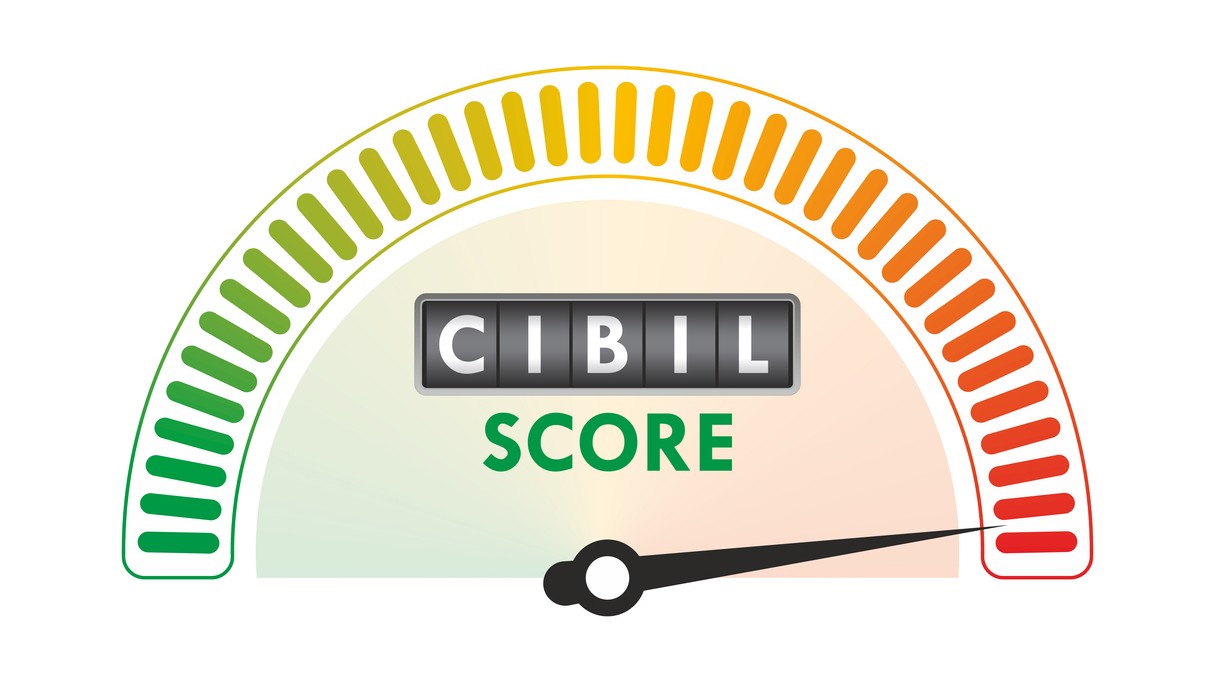
Credit has always been based on numbers. For almost a century, banks decided who deserves a loan based on income, repayment history, assets, and risk scores. This traditional model gave rise to the modern credit score — a single number that summarises how safely a person borrows and repays money.Credit Score vs Social Score
But the world is changing fast. As we step deeper into the digital economy, a new idea is emerging: social scoring — a system where your behaviour, network, digital footprints, and social reputation influence your financial opportunities.
In simple terms:
- Credit Score asks: “How did you repay money in the past?”
- Social Score asks: “How do you behave, interact, and contribute as a person?”
This shift is not science fiction. It is already happening. Fintech lenders, BNPL platforms, gig-economy apps, ride-sharing platforms, influencer marketplaces, and even insurance companies are experimenting with behavioural underwriting.
This article explores how this transformation works, who benefits, who is at risk, and how future lending might reward — or punish — your behaviour.
Part 1: Understanding Credit Score — The Old Financial Identity
What Exactly Is a Credit Score?
A credit score represents your:
✔ Borrowing history
✔ Repayment behaviour
✔ Credit utilization
✔ Defaults or delinquencies
✔ Length of credit history
In most systems, it ranges from 300 to 900 (or 850 in the FICO model).
Higher scores mean:
- lower interest rates
- easier approvals
- higher limits
- better terms
Credit scoring is built on the logic:
“Past financial behaviour predicts future financial reliability.”
This model works — but only up to a point.
The Weakness of Credit Scores
Credit scores ignore:
✘ informal transactions
✘ gig income profiles
✘ freelance earning volatility
✘ personal values and behaviours
✘ digital reputation
✘ collaborative or ethical conduct
✘ online trustworthiness
Example:
A YouTuber earning ₹3 lakh/month may struggle to get a loan due to unpredictable income, while a salaried employee earning ₹60,000/month gets approved easily.
This gap opens the door to new models.
Part 2: The Rise of Social Scoring — More Than Money
What Is a Social Score?
A social score evaluates how responsible, verified, and trustworthy you are through non-financial behaviour:
✔ Communication patterns
✔ Network credibility
✔ Online reputation
✔ Ratings and reviews
✔ Platform conduct
✔ Legal compliance
✔ Workplace behaviour
✔ Travel patterns
✔ Community contributions
It shifts the question from:
“Can you repay?”
to
“Should we trust you?”
Part 3: Why Finance Is Moving Toward Behavioural Underwriting
1. Income is No Longer Linear
Traditional lending assumes:
stable salary + stable job = stable repayment
But millions now work in:
- freelancing
- gig economy
- creator economy
- self-employment
- flexible contracts
Income is volatile, not fixed.
2. Digital Reputation Has Become Quantifiable
Platforms like:
- Uber
- Airbnb
- Swiggy/Zomato
- Fiverr
- Upwork
- Shopee
- YouTube
already assign ratings, reviews, and verification badges.
These rating systems reward:
✔ reliability
✔ punctuality
✔ professionalism
✔ communication
✔ trust
These traits are economically valuable.
3. Data Is More Available Than Ever
Banks once relied on limited data. Today they have access to:
- social analytics
- behavioural data
- spending patterns
- digital footprints
- peer-validation signals
Data makes behavioural lending mathematically possible.
Part 4: How Lenders Are Experimenting with Behaviour Scoring
1. BNPL (Buy Now Pay Later)
Apps like Klarna, Afterpay, LazyPay and Simpl track:
✔ purchase behaviour
✔ impulse control
✔ repayment punctuality
✔ spending categories
2. Ride Sharing & Delivery Platforms
Uber riders who consistently get low ratings may be flagged as:
“High risk — low consideration borrower type.”
Behaviour matters.
3. Creator Economy Financing
Influencers are now getting loans secured against:
✔ engagement consistency
✔ brand reputation
✔ social credibility
✔ growth metrics
This would be impossible with just credit score.
Part 5: What Exactly Impacts a Social Score?
Not officially standardized yet, but emerging signals include:
(A) Reputation Signals
- verified profiles
- real identity
- endorsements
- referrals
- reviews
(B) Behavioural Signals
- punctuality
- rule compliance
- communication style
- dispute frequency
- return/refund patterns
(C) Relationship Signals
- network credibility
- follower authenticity
- community participation
(D) Consumption Signals
- ethical consumption
- payment punctuality
- financial discipline
- impulse control
Part 6: How This Will Affect Lending Decisions
Lenders of the future may classify borrowers into four personas:
1. Credit-Strong + Social-Strong
Best possible borrower:
✔ high trust
✔ high repayment reliability
✔ low risk
Gets:
- lowest interest rates
- large loans
- premium products
2. Credit-Strong + Social-Weak
Traditional salaried employee with poor digital reputation.
Banks may trust repayment but distrust behaviour.
3. Credit-Weak + Social-Strong
Gig workers, influencers, artists.
Future lenders may reward them with:
✔ special income-underwriting models
✔ social-backed collateral
4. Credit-Weak + Social-Weak
Highest risk category.
Part 7: Will Social Score Replace Credit Score?
Not fully.
Social score will not replace — it will layer on top of credit score.
Credit score = repayment trust
Social score = behavioural trust
Together they form identity trust.
Part 8: Ethical & Risk Concerns
This shift also raises serious concerns:
1. Privacy
If lenders track behaviour, how much is too much?
2. Class Bias
Professionals with visible careers may get unfair advantages.
3. Social Control
If behaviour influences opportunity, people may self-censor online.
4. Algorithmic Bias
AI models may reinforce stereotypes or discrimination.
Governments may intervene soon.
Part 9: Country Case Studies
China — A Controversial Example
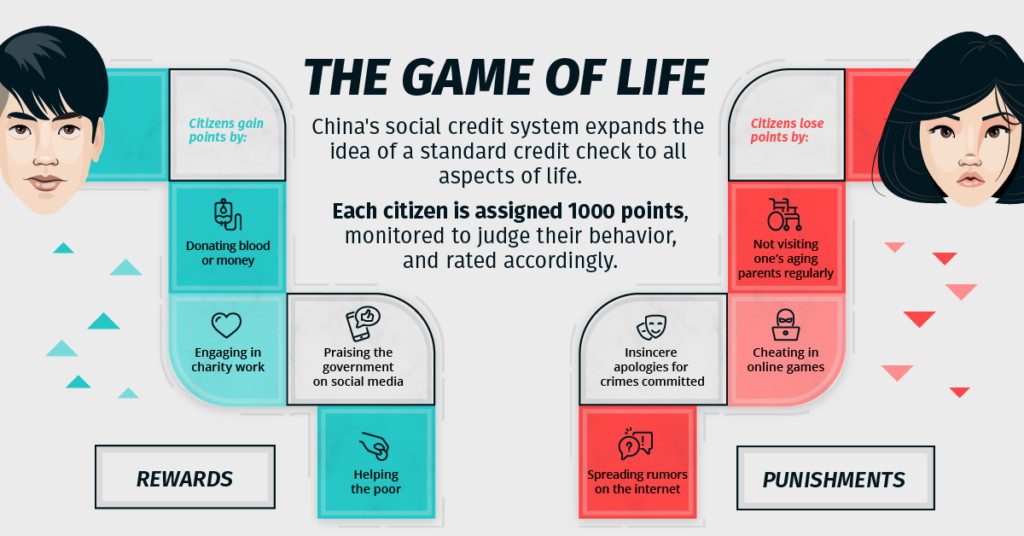
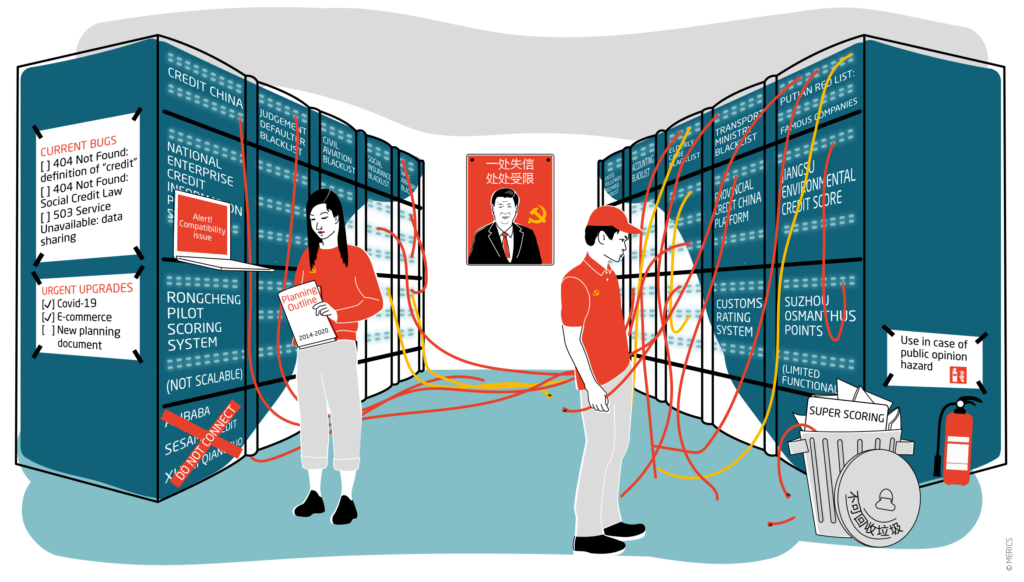
China experimented with social scoring that impacted:
- travel eligibility
- loan access
- school admissions
- employment
Critics argued it became behavioural surveillance.
United States — Market-Driven Model
US fintechs evaluate:
- rent payments
- utility bills
- subscriptions
- social reputation
without direct government enforcement.
India — Hybrid Model Emerging
India’s digital lending ecosystem is already experimenting with:
✔ UPI transaction behaviour
✔ digital footprint scoring
✔ alternative income evaluation
✔ telecom payment records
Part 10: Future Predictions — The Next 10 Years of Lending
Based on current trends:
1. Trust Will Be Multi-Dimensional
Not just can you repay, but can society trust you.
2. Reputation Will Become Collateral
A verified creator with real influence may use attention as collateral.
3. Behaviour Will Determine Pricing
Interest rates will vary by behaviour, not just income.
4. Micro-Finance Will Boom for the Creator & Gig Classes
Traditional banks will lose dominance to fintech lenders.
Part 11: How to Build a High Social-Lending Profile
Practical steps:
✔ maintain digital authenticity
✔ communicate professionally
✔ avoid fraud, returns, disputes
✔ maintain platform ratings
✔ keep financial discipline
✔ show reliability in small transactions first
Conclusion: Behaviour Is the New Credit
The 20th century rewarded financial discipline.
The 21st century will reward behavioural discipline.
In future lending systems:
Money + Behaviour = Opportunity
Your financial identity will no longer be defined by one number.
Credit scores measure responsibility.
Social scores measure character.
Together, they will define trust in the digital economy.
FAQ (SEO Section)
Q1: Will social scoring affect loan eligibility?
Yes — behavioural underwriting is already being tested by fintech lenders.
Q2: Will social scores reduce discrimination?
It depends on regulation; without safeguards it may increase bias.
Q3: Which industries will adopt it first?
BNPL, creator financing, gig lending, micro-credit, and digital insurance.